

Eat Better, Live Better: Your Complete Indian Grocery Guide for Weight Loss, Fitness & a Healthier Lifestyle

Updated: Sep 7
Here's the good news nobody tells you at the start of a diet: you don't have to give up rice, roti, or your favourite curries to lose weight. You don't need to live on salad, and you definitely don't need to chase expensive "superfoods" you've never heard of.
What actually moves the needle is much simpler — and much closer to home. It's what's sitting in your kitchen. Fill your shelves with protein-rich dals, beans, vegetables, whole grains, and sensible snacks. Healthy meals practically build themselves.
At Akshaya Patra Online, we stock everything from fresh vegetables and fruit to lentils, millets, rice, atta, soya products, makhana, seeds, peanuts, and more — delivering across the Netherlands, Belgium, and Germany. This guide walks through the products worth building a weight-loss and fitness-friendly kitchen around.
⚡ The Short Version — 5 Tips to Start With Today
Load half your plate with vegetables. It's the single easiest change you can make.
Add a protein source to every meal — soya chunks, moong dal, or a handful of peanuts.
Don't cut out rice — resize it. Smaller rice portion, bigger portion of dal and vegetables.
Swap fried snacks for roasted ones. Makhana and boiled kala chana beat namkeen every time.
Rotate your grains and dals so meals stay interesting — jowar one day, ragi the next, rice on the weekend.
Everything below is the "why" and the "how" behind these five rules — product by product, meal by meal.
🥗 The Golden Rule
Before we get into individual products, remember one principle: no single food burns belly fat.
The goal is meals that are high in protein, high in fibre, rich in vegetables, sensible in carbohydrates, and controlled in fat. That combination keeps you full, helps you make better choices throughout the day, and makes a calorie deficit sustainable instead of miserable.
🥇 Section 1 — Protein Powerhouses
1. Soya Chunks
One of the best fitness-friendly products in the pulses & proteins section. Great when you want more protein without relying entirely on meat.
Benefits: High-quality plant protein, more filling meals, helps maintain muscle during weight loss, easy to cook into Indian dishes, inexpensive compared with most protein foods.
Best Ways to Use It: Soya + mixed vegetable curry, soya pulao, soya stir-fry, soya and vegetable soup, soya masala with roti.
Tip: Boil the chunks first, squeeze out excess water, then cook with vegetables and spices.
2. Moong Dal
Protein, fibre, and versatility in one ingredient — it becomes a different meal every time.
Try It As: Dal, moong dal chilla, pesarattu, moong dosa, sprouts, guggillu, vegetable moong dal.
Fitness Tip: Flip the usual ratio — more dal, more vegetables, controlled rice.
3. Toor Dal
One of the easiest everyday staples — plant protein that works beautifully with vegetables.
Best Meal: Vegetable sambar + controlled rice + extra vegetables. Make the sambar thick with dal and loaded with vegetables, not mostly dal water.
4. Chana Dal
A pantry staple and a good source of plant protein and fibre for dals, curries, and chutneys.
Great For: Chana dal, chilla, dal with vegetables, mixed dal, healthy chutneys.
5. Masoor Dal
Cooks quickly and adds another rotation to your protein and fibre intake — swapping between dals also keeps meals from getting repetitive.
Especially useful for a fitness-oriented kitchen.
Try: Sprouted moong salad, green moong curry, moong guggillu, moong dosa, moong chaat — a great swap for less nutritious snacks.
7. Kala Chana
A traditional, filling pulse for chana salad, sundal/guggillu, curry, chaat, and sprouted preparations.
Easy Fitness Snack: Boiled kala chana + cucumber + tomato + onion + coriander + lemon — far more useful than a packet of namkeen.
8. Alasandalu — Cowpeas / Black-Eyed Peas
Plant protein and fibre, excellent for guggillu.
Simple Recipe: Boiled cowpeas + onion + coriander + lemon + green chilli + a small handful of peanuts.
A traditional pulse that adds protein and fibre.
Best Uses: Horse gram rasam, horse gram soup, horse gram curry, horse gram dosa, sprouted horse gram. Use it for variety — no need to eat it daily.
🌱 Section 2 — Small Foods with Big Nutritional Value
10. Chia Seeds
A source of fibre, omega-3s, and antioxidants.
Best Use: 1–2 teaspoons in oats, yogurt, smoothies, or overnight preparations. Chia isn't a fat-burning food — it's just a useful ingredient in a balanced diet.
11. Flax Seeds
Fibre, plant omega-3, and healthy fats.
Best Way to Use Them: Grind rather than use whole. Add 1–2 teaspoons to oats, curd, smoothies, dosa batter, or chutney.
12. Peanuts
Protein, unsaturated fats, fibre, and satiety — but calorie-dense, so keep the handful small. Great in guggillu, poha, salads, chutney, or roasted snacks.
13. Phool Makhana
A useful alternative to fried namkeen when you want something crunchy.
Best Preparation: Dry roast + spices — skip the heavy ghee.
🌾 Section 3 — Smarter Carbohydrates
14. Little Millet
A whole-grain option for millet upma, millet pongal, millet rice, or millet dosa.
15. Jowar
Best Use: Jowar roti + vegetable curry + dal. Think of it as one of several good whole-grain options, not a "diet food."
16. Ragi
Useful for ragi dosa, ragi roti, ragi porridge, and ragi-based breakfasts — fibre and minerals. Still a carbohydrate, so portion size matters.
17. Foxtail Millet
Use instead of rice occasionally.
18. Proso Millet
Another good option for carbohydrate rotation — the goal is simply more whole-grain variety.
🍚 Section 4 — Rice Does Not Have to Disappear
You don't need to stop eating rice to lose weight.
❌ Less Helpful: Large rice portion + little dal + little vegetables
✅ Better: Controlled rice portion + plenty of vegetables + dal + extra protein
That balance matters far more than which variety of rice you choose.
🥣 Section 5 — Poha, Sabudana & Other Carbohydrate Foods
20. Poha
A healthy breakfast when it's poha + vegetables + peanuts + protein — not a giant plate of mostly rice flakes.
21. Sabudana
Mostly carbohydrate, so not a daily priority — but it can absolutely be enjoyed.
Better Sabudana Meal: 40–50g dry sabudana + vegetables + a small handful of peanuts + curd or another protein source.
🥬 Section 6 — The Most Important Category: Vegetables
Don't buy twenty different seeds while barely touching vegetables. We stock fresh Indian vegetables including curry leaves, green chili, bhindi/okra, bottle gourd, tindora, and more.
Your regular basket can include: lauki/bottle gourd, bhindi/okra, tindora, karela, brinjal, leafy greens, methi leaves, tomatoes, cucumber, green chili, curry leaves, and seasonal vegetables.
The Simple Plate Rule: ½ plate vegetables, ¼ plate protein, ¼ plate rice/roti/millet — one of the easiest ways to make Indian meals weight-loss friendly.
🥭 Section 7 — Fruit: Yes, But Whole Fruit First
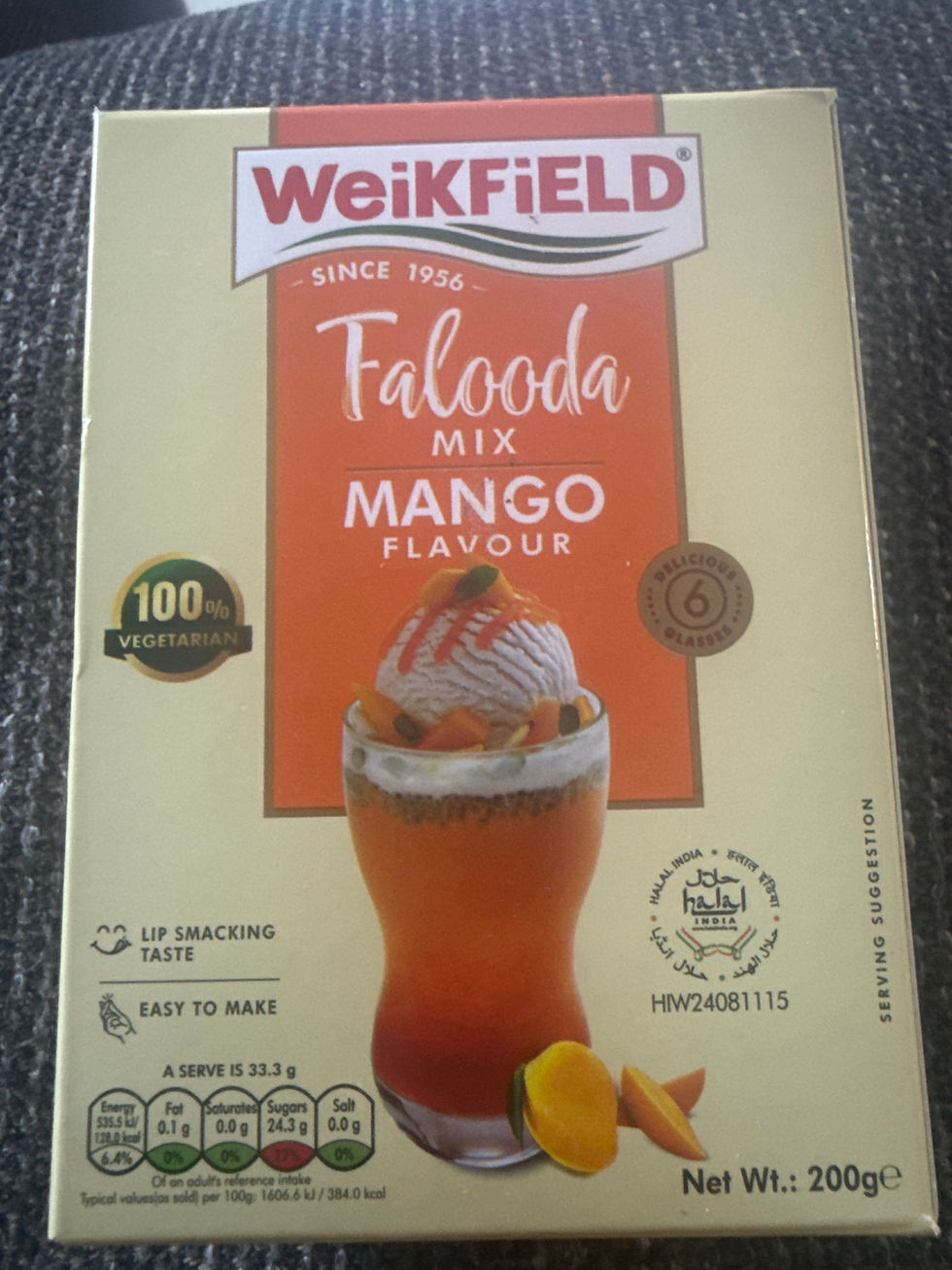
Choose whole fruit over juices or sweetened fruit products. Good everyday options: guava, apple, orange, seasonal fruits, and berries when available. Mangoes aren't "bad" either — they just need to fit your overall calorie intake.
🚫 Section 8 — What Shouldn't Dominate Your Basket
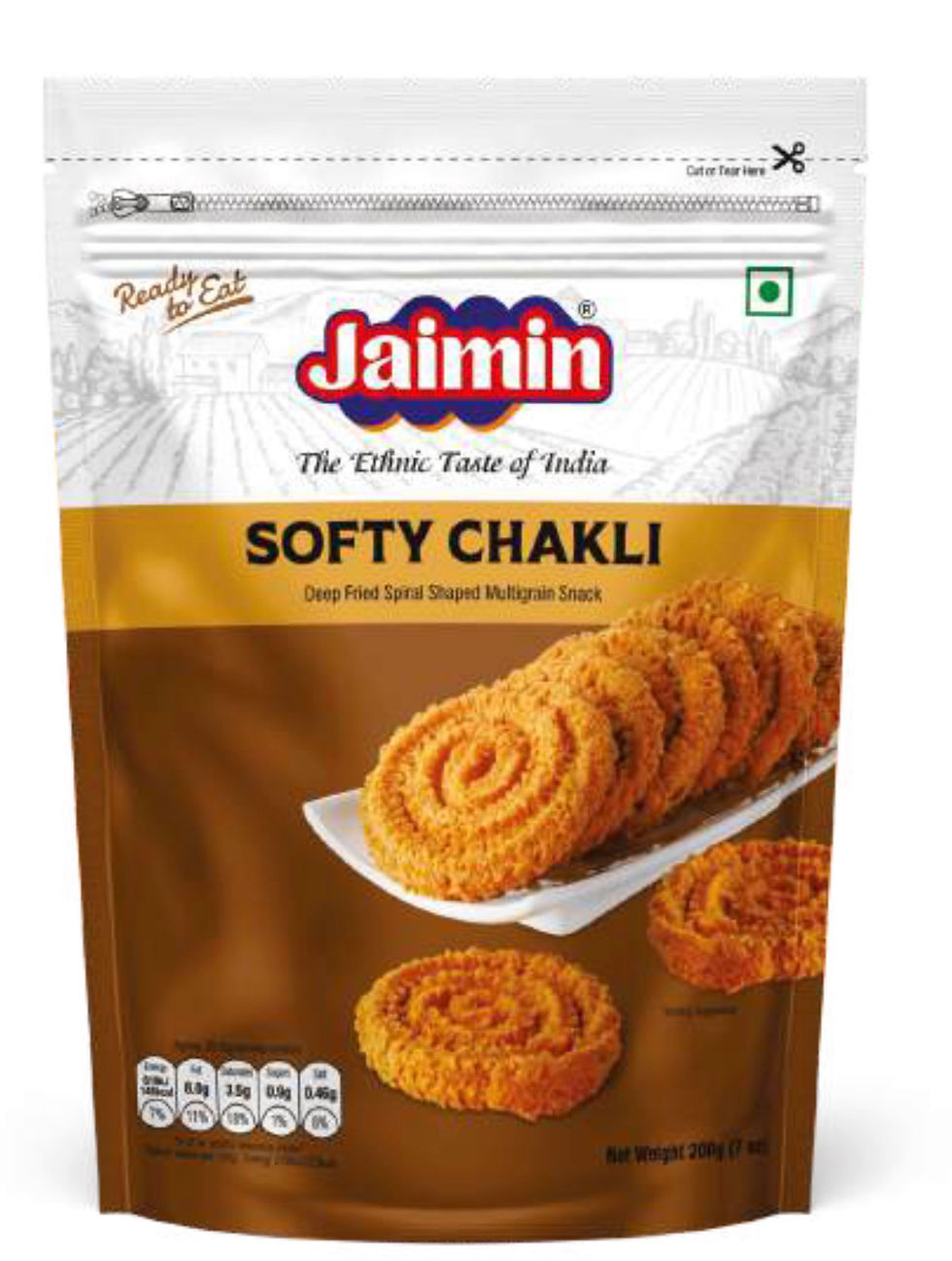
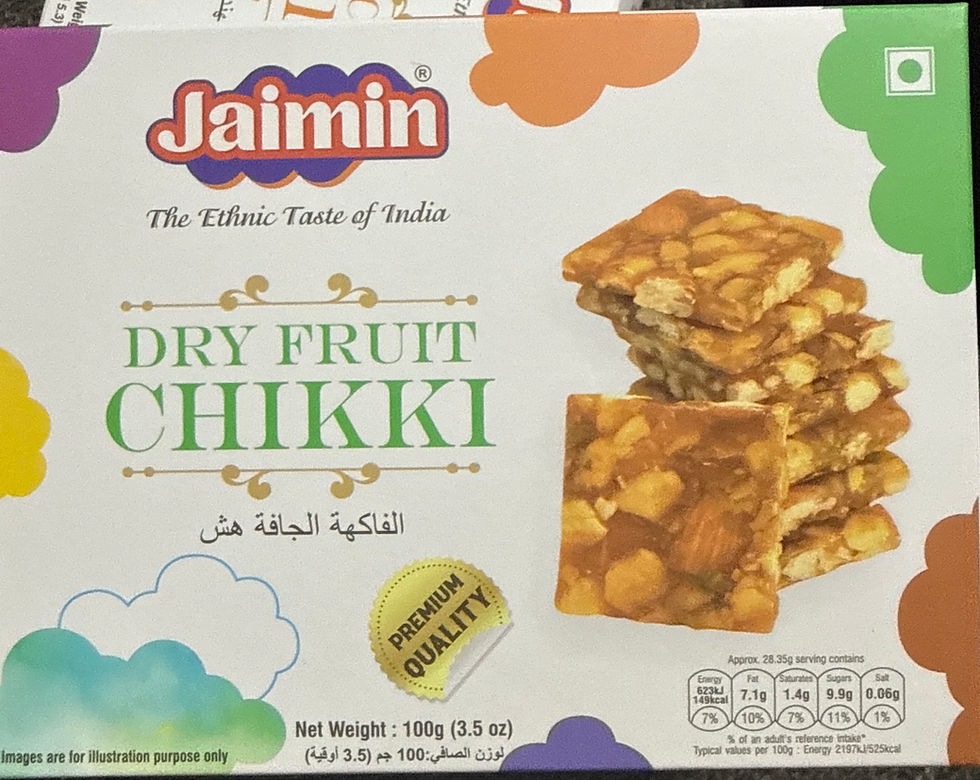
We also stock plenty of traditional snacks, namkeen, and sweets — that's part of what makes an Indian grocery store useful, but they don't need to be everyday foods: murukku, mixture/namkeen, biscuits, sweets, chikki, instant noodles, sugary drinks, sweetened fruit products.
The key isn't "never eat." The key is: don't let occasional foods become the foundation of your daily diet.
🪔 Section 9 — Grandmother's Methods, Still the Healthiest
Before packaged health food existed, Indian kitchens already had the answers — in technique, not in a product label. Reviving a few of these habits costs nothing and changes how your body handles the very same groceries.
Soak. Rice, dals, and millets soaked for a few hours (or overnight) cook faster, digest more easily, and lose some of the compounds that block mineral absorption. It's the easiest traditional habit to bring back — just remember the night before.
Sprout. A soaked moong or chana left to sprout for a day gains fibre, vitamin C, and easier-to-digest protein. Sprouted guggillu and salads were never a "health trend" in a Telugu household — they were just Tuesday.
Ferment. Dosa and idli batter, curd, and pickles all rely on natural fermentation. Fermented foods support gut bacteria and make nutrients in rice and lentils more available — modern nutrition science is only now explaining what the batter resting overnight was already doing.
Slow-Cook. A sambar or rasam simmered slowly develops flavour without needing excess oil or ghee to taste good. Pressure-cooking is convenient, but a slow pot on low heat, once a week, is worth bringing back.
Cook and Eat with the Seasons. Raw mango and gongura in summer, greens and jaggery in winter — traditional Telugu and South Indian food calendars were built around what's fresh, not what's shelf-stable. It's still good advice, and it's exactly what a produce aisle stocked by season gives you.
None of this requires a supplement aisle. It just asks you to plan half a day ahead.
🌶️ Section 10 — Everyday Spices Worth Keeping Stocked
Your spice box is doing more than adding flavour. A few worth always having on hand:
Turmeric — a staple in almost every Indian dish, valued for centuries as an anti-inflammatory.
Cumin (Jeera) — aids digestion, and that toasted aroma does a lot of the flavour work without extra oil.
Coriander Seeds — cooling, gentle on the stomach, and a base note in most Indian spice blends.
Fenugreek (Methi) — traditionally used to support digestion and blood sugar balance.
Black Pepper — helps the body absorb turmeric's curcumin better, which is why the two are almost always paired.
Mustard Seeds — a tempering staple, and a good source of healthy fats in small amounts.
Curry Leaves — rich in antioxidants, and central to South Indian cooking for good reason.
Ajwain (Carom Seeds) — the classic after-meal digestive spice in most Indian households.
Cinnamon and Cloves — warming spices traditionally used to help balance blood sugar.
Ginger — settles digestion and is one of the most versatile roots in the kitchen, fresh or dried.
Nothing exotic here — just the everyday spice box, used a little more intentionally.
🛒 The Ideal Akshaya Patra Health Basket
Buy Regularly
Protein & Fibre: Soya chunks, moong dal, whole green moong, toor dal, masoor dal, chana dal, kala chana, cowpeas/alasandalu, horse gram
Seeds: Chia seeds, flax seeds
Healthy Fats: Peanuts, small quantities of nuts, makhana
Whole Grains: Oats, jowar, ragi, little millet, foxtail millet, proso millet, brown/regular rice in controlled portions
Fresh Food: A large variety of vegetables and whole fruits
🥇 Our Top 10 Picks
If you don't want to buy everything at once, start here:
| Rank | Product | Why It's on the List |
|------|---------|----------------------|
| 🥇 1 | Soya Chunks | High-protein vegetarian option |
| 🥈 2 | Moong Dal | Protein + fibre + extremely versatile |
| 🥉 3 | Whole Green Moong | Great for sprouts, dosa, and guggillu |
| 4 | Toor Dal | Everyday dal / sambar |
| 5 | Chia Seeds | Easy fibre addition |
| 6 | Flax Seeds | Fibre + plant omega-3 |
| 7 | Vegetables | High-volume, nutrient-dense meals |
| 9 | Peanuts | Protein + healthy fats, portion-controlled |
| 10 | Makhana | Convenient alternative to fried snacks |
🍽️ Turning These Products into Real Meals
The real power isn't in individual products — it's in combining them correctly.
🌅 Breakfast
Oats + milk + chia + ground flax + fruit + protein source
Moong dal chilla + vegetables + curd
Vegetable poha + peanuts + protein
☀️ Lunch
Rice/millet + sambar/toor dal + a large vegetable portion + protein
Example: Brown SonaMasoori rice + vegetable sambar + soy curry + cucumber
☕ Afternoon Snack — Choose One:
Roasted makhana
A small portion of peanuts
Boiled kala chana / cowpeas
Fruit + curd
🌙 Dinner
Vegetables + soy chunks + dal + a small portion of roti/rice
Jowar roti + vegetable curry + dal
Moong dosa + vegetable side + curd
🙌 Cook It, Don't Just Buy It
A grocery order is only half the job — the other half happens in your kitchen. A few ways to make this basket work harder for you:
Batch-Soak on Sundays. Soak a week's worth of dals and millets in separate containers so "traditional prep" doesn't become a daily chore.
Keep One Sprouting Jar Going at All Times. Refill it as you empty it — moong, chana, or cowpeas all sprout in a day or two.
Share What You Cook. If you try one of these combinations — soya pulao, ragi dosa, a new guggillu — tag us or send us a photo. We're a Telugu-and-South-Asian community store, and the best recipes we've picked up have come from customers, not cookbooks.
Ask Before You Swap. Not sure whether little millet or foxtail millet suits your recipe better? Message us on WhatsApp — we're happy to help you build a basket that fits your kitchen, not just a shopping list.
⭐ The Bigger Message
Healthy eating doesn't have to mean boring food. Indian cuisine already gives us an enormous toolbox: dal, beans, guggillu, sambar, pesarattu, jowar roti, ragi dosa, millet upma, vegetable curries, curd, fresh fruit, seeds, nuts.
The trick is using these ingredients in the right proportions. That's where a grocery store like Akshaya Patra Online becomes more than just a place to buy groceries — it becomes the foundation of a healthier Indian kitchen.
Eat well. Move well. Live well.
Weight loss isn't about finding one magical ingredient. It's about what happens day after day: better groceries → better meals → better portions → better energy → better training → better habits.
And the most sustainable diet isn't the one that asks you to stop eating the foods you love — it's the one that teaches you how to use them better.
Product availability, prices, promotions, and pack sizes may change — please check the current listings on our website for the latest details.








Comments